
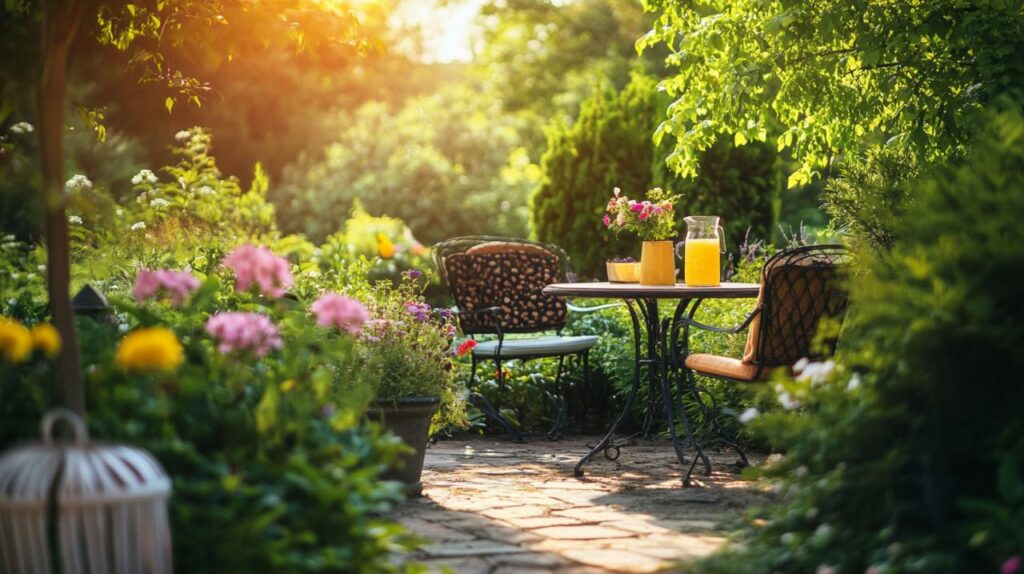
Selecting the ideal garden table can transform your outdoor area into a welcoming retreat where friends and family gather to enjoy long summer evenings or quiet morning cups of tea. Whether you have a sprawling lawn or a compact patio, the right table serves as the centrepiece of your garden, blending functionality with aesthetic appeal. With countless options available across materials, sizes, and styles, making an informed decision ensures that your investment stands the test of time while complementing your unique outdoor space. From considering the unpredictable British climate to matching your existing décor, every detail matters when choosing garden furniture that truly enhances your lifestyle.
Assessing your outdoor space and requirements
Before diving into catalogues or browsing online, take a moment to evaluate the dimensions and layout of your garden or patio. The size of your outdoor area plays a crucial role in determining what type of table will fit comfortably without overwhelming the space or leaving it feeling cramped. For smaller areas such as balconies or compact courtyards, bistro sets offer an excellent solution, providing just enough surface for two people to enjoy a leisurely breakfast or evening drink. On the other hand, if you have a generous lawn or terrace, a larger rectangular or extendable table might be more suitable, especially if you frequently host gatherings or family meals outdoors. Measuring your space accurately helps you visualise how the table will sit within the environment, ensuring there is ample room for chairs to be pulled out and for guests to move around freely.
Measuring Up: Getting the Right Size for Your Garden
Understanding the precise dimensions of your outdoor space is the foundation of selecting the perfect garden table. Begin by measuring the length and width of the area where you intend to place the table, taking into account any fixed features such as flower beds, pathways, or garden walls. It is advisable to leave at least ninety centimetres of clearance around the table to allow for comfortable seating and movement. If you are considering an extendable table, ensure that you measure not only the compact size but also the extended dimensions to confirm that it will fit when fully opened. For those with limited space, modular tables that can be adjusted or rearranged offer flexibility, allowing you to adapt the setup depending on the occasion. Round tables are particularly effective in smaller gardens as they eliminate sharp corners and create a more fluid flow, making it easier for guests to navigate around the space.
Determining your table's primary purpose
The way you plan to use your garden table significantly influences the style and features you should prioritise. If your primary goal is outdoor dining, you will want a sturdy surface that can accommodate plates, glasses, and serving dishes, along with enough seating capacity for your typical number of guests. Dining sets that include matching chairs are often available at a lower price than purchasing items separately, making them a practical choice for those starting from scratch. Alternatively, if your outdoor space is more about relaxation and casual socialising, a coffee table paired with lounge furniture such as sofas or armchairs might be more appropriate. For families with children, a robust table that can withstand spills and rough play is essential, while those who enjoy hosting summer barbecues might appreciate a larger table that can double as a buffet station. Additionally, if you are drawn to versatile garden accessories, some tables can even convert into game surfaces, such as a table tennis table, adding an extra layer of entertainment to your outdoor area.
Selecting the Right Material for British Weather
The material of your garden table determines not only its appearance but also its durability and suitability for the often unpredictable British climate. With frequent rain, occasional bursts of sunshine, and the odd frosty morning, choosing weather-resistant tables is essential to ensure your investment lasts for years. Different materials offer varying levels of resilience, maintenance requirements, and aesthetic appeal, so it is important to weigh these factors carefully. Premium materials often come with extended warranties, with some brands offering three to five year guarantees, reflecting their confidence in the product's longevity. As the outdoor furniture market in the UK is expected to grow at a rate of five point two per cent per year through 2028, manufacturers are increasingly focusing on creating designs that combine durability with contemporary style, catering to a wide range of tastes and budgets.

Comparing wood, metal, and rattan options
Wood remains a classic choice for garden tables, offering a natural warmth and timeless elegance that blends seamlessly with greenery and traditional garden aesthetics. Teak is particularly popular due to its exceptional weather resistance and longevity, with properly cared for pieces lasting over twenty years. However, natural wood requires regular upkeep, including occasional oiling or sealing to prevent cracking and discolouration. For those seeking the look of wood without the maintenance, artificial wood made from recycled plastic or composite materials provides a low-maintenance alternative that mimics the appearance of timber while resisting moisture and UV damage. Metal tables, especially those crafted from powder-coated steel or cast aluminium, are prized for their strength and modern aesthetic. Aluminium is lightweight yet durable, making it easy to move around the garden, while cast iron offers a more substantial presence with intricate detailing, though it is heavier and may require occasional rust prevention treatments. Synthetic rattan has surged in popularity in recent years, offering the woven texture and relaxed vibe of natural rattan without the vulnerability to moisture. Rattan furniture is particularly well-suited to those aiming for a Mediterranean garden style, creating an inviting atmosphere perfect for lazy afternoons and evening gatherings.
Understanding maintenance requirements for different materials
The amount of effort you are willing to invest in maintaining your garden table should guide your material selection. Wood, while beautiful, demands the most attention, requiring regular cleaning, oiling, and protection from the elements when not in use. Untreated softwoods are best avoided as they are prone to warping and decay in damp conditions. Metal tables generally require less frequent maintenance, though checking for signs of rust or scratches in the protective coating is advisable, especially after harsh winter weather. A quick wipe down with a damp cloth and occasional application of a rust inhibitor will keep metal furniture looking pristine. Synthetic rattan and recycled plastic options are among the easiest to maintain, often needing nothing more than a rinse with a garden hose to remove dirt and debris. Regardless of the material you choose, investing in protective covers is a wise decision, as they shield your table from rain, frost, and UV rays, significantly extending its lifespan. Regular cleaning not only preserves the appearance of your furniture but also prevents the buildup of mildew and stains, ensuring that your garden remains an inviting space throughout the seasons.
Balancing Budget with Quality and Longevity
Setting a realistic budget for your garden table involves more than simply comparing price tags. While it can be tempting to opt for the cheapest option, it is important to consider the long-term value of your purchase. Durability has become a top priority for most UK consumers, with sixty-five per cent now placing greater emphasis on how long furniture will last rather than its initial cost. Investing in a higher-quality table may require a larger upfront expenditure, but it often proves more economical over time as it withstands the elements and daily use without needing frequent replacement. Many retailers offer bundle deals that include matching chairs or accessories at a reduced rate, providing an opportunity to furnish your entire outdoor space while staying within budget. Additionally, financing options such as zero per cent APR finance, Klarna, or PayPal allow you to spread the cost over several months, making premium pieces more accessible without straining your finances.
Working out your garden furniture spending plan
Establishing a clear spending plan helps you navigate the wide range of options available and ensures you make a purchase that aligns with your financial situation. Start by researching current market prices for the type of table you have in mind, taking note of any seasonal sales or Black Friday deals that could offer significant discounts, with some items reduced by as much as fifty per cent. Dining sets typically range from around nine hundred and ninety-nine pounds to several thousand, depending on size, material, and brand reputation. Lounge sets and bistro sets can start from as little as a few hundred pounds, making them an affordable entry point for those furnishing a smaller space. When comparing prices, consider what is included in the package, as some deals come with free delivery to Mainland UK or additional items such as protective covers or garden parasols. It is also worth exploring the ofertahub blog for insights into current trends and recommendations, helping you identify the best value options without compromising on quality. Remember that while budget constraints are important, prioritising durability and weather resistance will save you from the frustration and expense of replacing poorly made furniture after just one or two seasons.
Matching style with your existing garden aesthetic
The visual harmony of your outdoor space depends on selecting a table that complements your existing furniture and overall garden vibe. Whether your garden leans towards a rustic cottage charm, a sleek contemporary design, or a relaxed Mediterranean atmosphere, the style of your table should enhance rather than clash with these elements. Neutral colours have become increasingly popular in recent years, offering versatility and a timeless appeal that pairs well with a variety of décor styles. If you have wooden benches or picnic benches already in place, a timber table will create a cohesive, natural look, while metal or rattan options might be better suited to modern or coastal-inspired settings. For those with eclectic tastes, modular tables with extra features allow for creative expression, offering the flexibility to rearrange and adapt the setup as your garden evolves. Consider also the colour palette of your cushions, garden accessories, and any pergolas or outdoor kitchens you may have, ensuring that the table ties these elements together rather than standing out awkwardly. Ultimately, your garden table should reflect your personal taste while providing a functional and inviting focal point where memories are made, meals are shared, and relaxation is savoured under the open sky.