
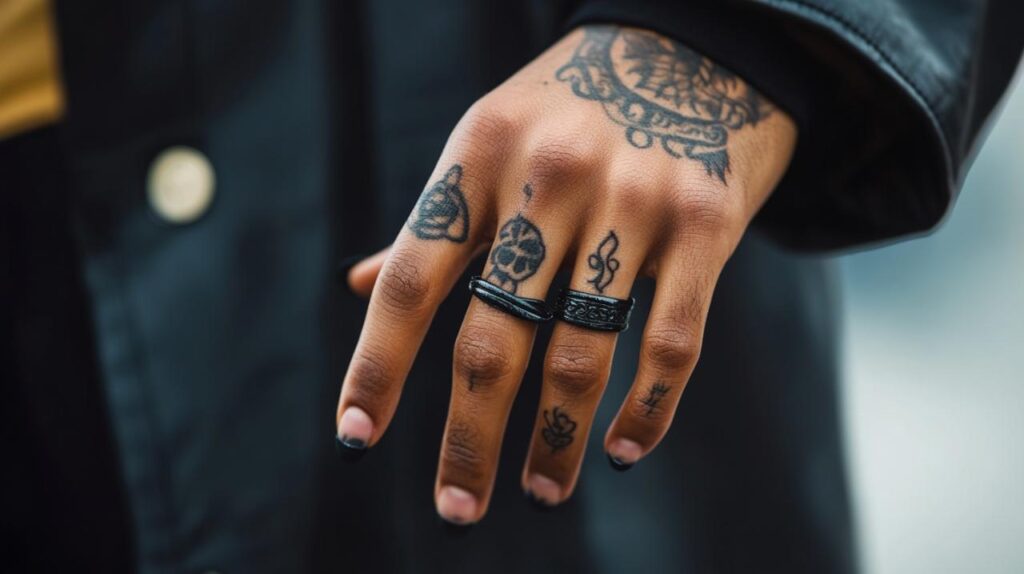
In today's ever-evolving landscape of body art, finger tattoos have emerged as a captivating choice for those seeking understated yet impactful self-expression. These delicate designs offer a unique canvas that balances visibility with subtlety, allowing wearers to convey their personality in a refined manner. Whether you're drawn to minimalist symbols or intricate fine line art, finger tattoos provide endless possibilities for modern aesthetics. As the demand for such pieces grows, tattoo artists across London and beyond have honed their skills to deliver stunning results on this challenging area. This exploration delves into the nuances of finger tattoo placement and design, offering insights for anyone considering this timeless form of body art.
Delicate designs: choosing the right finger tattoo style
Selecting the perfect style for a finger tattoo requires careful consideration of both aesthetic preferences and practical factors. The fingers present a unique challenge due to their thin skin and constant friction against everyday surfaces, which can affect ink retention and longevity. Despite these hurdles, the allure of finger tattoos continues to captivate individuals seeking a modern and stylish look. From elegant linework to geometric patterns and even lettering, the variety of options ensures that each piece can be tailored to reflect personal taste. Many tattoo enthusiasts in 2025 are gravitating towards designs that speak volumes subtly, embracing sophistication without overwhelming the senses. This trend aligns perfectly with the ethos of the modern life blog, where individuality and creativity are celebrated.
Minimalist symbols and their meaning
Minimalist tattoos have become a cornerstone of contemporary body art, offering simplicity without sacrificing depth. These designs often feature small, meaningful symbols that resonate on a personal level, such as spiritual motifs, nature-inspired elements, or abstract shapes. For instance, a tiny crescent moon on the side of a finger might represent growth and transformation, while a delicate flower could symbolize beauty and resilience. The appeal of minimalist symbols lies in their ability to convey profound messages through understated imagery. Artists specializing in this style, including those listed in tattoo artist directories across the United Kingdom, bring precision and artistry to every piece. Some renowned professionals, such as Katerina Jebouskova at South City Market in London, have garnered hundreds of reviews for their exceptional work in this area. Others, like Liam Collins at Sixty Ink and Iva M at Ink Blot Project, are celebrated for their ability to translate abstract concepts into elegant, wearable art. These tattoos not only enhance the wearer's appearance but also serve as intimate reminders of personal values and beliefs.
Fine line art: achieving elegance on your digits
Fine line tattoos represent the pinnacle of precision and grace in the world of body art. This technique involves using ultra-thin needles to create delicate, intricate designs that exude sophistication. On fingers, fine line art can take the form of minimalist geometric shapes, subtle lettering, or even miniature portraits rendered in black and grey realism. The challenge with fine line work on fingers lies in the limited space and the need for impeccable craftsmanship to ensure clarity and durability. Artists such as Eppie at 1159workshop in London and Jay Shellito at Wanda Tattoo have mastered this art form, earning reputations for their ability to execute flawless designs on such a demanding canvas. The beauty of fine line tattoos is their versatility; they can complement traditional or Japanese irezumi styles, or stand alone as a testament to modern minimalism. However, achieving and maintaining these elegant tattoos requires diligent aftercare, including proper cleaning, moisturizing, and sun protection to prevent fading and preserve the integrity of the ink. Touch-ups may be necessary every eight months to a few years, depending on placement and lifestyle factors, ensuring that the tattoo remains as striking as the day it was inked.
Strategic placement: where to position your finger tattoo
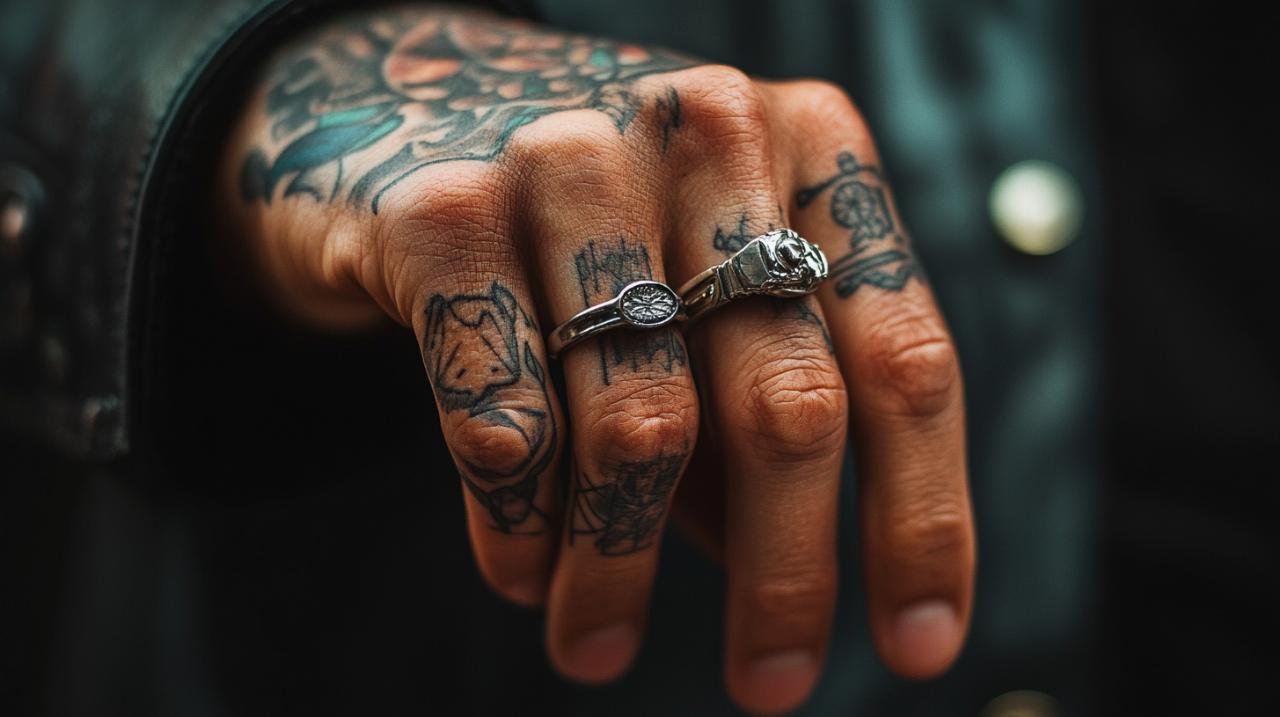
The placement of a finger tattoo significantly impacts its visibility, longevity, and overall aesthetic appeal. Each area of the finger offers distinct advantages and challenges, making it essential to choose a location that aligns with your lifestyle and design preferences. Factors such as pain levels, ink retention, and the frequency of touch-ups must all be weighed when deciding where to position your tattoo. For example, tattoos on the top of the finger are more exposed to friction and sunlight, which can accelerate fading, while side finger tattoos tend to be more discreet and may experience less wear over time. Understanding these nuances helps ensure that your chosen design not only looks stunning but also withstands the test of time. Whether you opt for a knuckle tattoo that makes a bold statement or a subtle piece tucked along the inner finger, strategic placement is key to achieving the perfect balance between artistry and practicality.
Side Finger Tattoos for a Discreet Statement
Side finger tattoos have gained popularity for their ability to offer a discreet yet meaningful form of self-expression. Positioned along the sides of the fingers, these designs are often hidden from plain view, making them ideal for individuals who prefer a more private display of body art. This placement is particularly favored by professionals or those in industries where visible tattoos may not be appropriate, as the design can easily be concealed during work hours. Despite their subtlety, side finger tattoos can still pack a visual punch when revealed, whether through a casual gesture or a deliberate display. Popular choices for this area include minimalist symbols, such as tiny stars, hearts, or words that hold personal significance. Couples also frequently choose this placement for matching tattoos, creating an intimate connection that remains largely private. Artists specializing in this style, such as Jags at Jags Tattoos in Watford or Dave Norman at Sad Bones Tattoo in London, bring a wealth of experience to crafting designs that fit seamlessly into this narrow space. Proper aftercare is crucial for side finger tattoos, as the constant movement and friction in this area can challenge ink retention, making regular touch-ups essential for maintaining vibrancy.
Top of Finger Designs for Maximum Visibility
For those who wish to make a bolder statement, tattoos positioned on the top of the fingers offer maximum visibility and instant impact. This placement is perfect for individuals who want their body art to be an integral part of their personal style, easily seen by others during daily interactions. Top of finger tattoos can range from small, delicate symbols to more elaborate designs that span multiple digits, creating a cohesive visual narrative. Common choices include geometric patterns, lettering, or even miniature representations of dragons, Viking motifs, or Greek mythology themes. The top of the finger provides a relatively flat surface compared to other areas, making it an attractive option for artists skilled in techniques such as cybersigilism or fine line work. However, this placement comes with its own set of challenges. The constant exposure to sunlight, water, and friction means that tattoos in this area are more prone to fading and may require touch-ups more frequently than those in less exposed locations. Pain levels for top of finger tattoos are also typically higher due to the proximity of bone and nerve endings, though many find the discomfort worthwhile for the striking results. Artists like Chun Lee at Origin Tattoo London and Claudia Vicente at Rain City Tattoo Collective in Manchester are renowned for their expertise in creating top of finger designs that are both visually stunning and resilient over time. By combining strategic placement with meticulous aftercare, including moisturizing and sun protection, wearers can enjoy their finger tattoos as enduring symbols of individuality and style.