
Fashion evolves constantly, yet certain staples remain ever-relevant when styled with intention and creativity. Skinny trousers have long been a wardrobe favourite, offering a sleek silhouette that pairs effortlessly with everything from oversized jumpers to tailored blazers. While trends shift and hemlines rise and fall, the appeal of a well-fitted pair of slim trousers endures. For those willing to roll up their sleeves and embrace the craft of garment making, creating your own skinny trousers can be both a rewarding project and a chance to achieve that perfect fit that high street shops often fail to deliver. This guide walks you through the essentials of crafting your own fashionable slim-fit kecks from scratch, ensuring that you not only understand the process but also gain confidence in your sewing abilities.
Getting started with your skinny trousers project
Before diving into the world of DIY fashion and constructing your own pair of skinny jeans or trousers, it is crucial to gather the right materials and tools. The success of your project hinges on preparation, and understanding what you need from the outset will save you time and frustration later. Start by selecting a fabric that suits your vision. Denim remains a classic choice, particularly medium wash denim, which is notably on trend and versatile enough to suit a variety of occasions. Alternatively, consider stretch cotton blends or even faux leather if you fancy something a bit different. The key is to choose a fabric that offers a slight stretch, as this will ensure comfort and ease of movement in your finished garment.
Essential materials and tools you'll need
Your toolkit should include sharp fabric scissors, a measuring tape, tailor's chalk or a fabric marker, pins, a sewing machine with appropriate needles for your chosen fabric, and thread that matches or complements your material. If you plan to add details such as frayed hems or distressed patches, you might also want to have sandpaper or a craft knife on hand. These small touches can elevate your design and give your trousers a unique, personalised flair. Additionally, consider investing in a quality pattern or drafting your own if you have the skills. Patterns provide a reliable blueprint and can be adjusted to suit your body shape and style preferences. Many resources are available online, and some even cater specifically to those looking to create slim-fit trousers. As you gather your supplies, remember that attention to detail at this stage will pay dividends when you begin cutting and sewing.
Taking Accurate Measurements for the Perfect Fit
Achieving a flattering fit starts with precise measurements. This step cannot be overstated, as even the best sewing techniques will fall short if your pattern is not tailored to your body. Begin by measuring your waist, hips, inseam, and the circumference of your thigh, knee, and ankle. It is advisable to take these measurements while wearing undergarments similar to what you would typically wear with the finished trousers. Record each measurement carefully and compare them to your pattern's sizing chart. Do not be surprised if you fall between sizes; this is entirely normal. In such cases, it is often best to cut the larger size and then adjust the fit during the fitting stage. For those with apple-shaped bodies or other unique proportions, customisation is the beauty of making your own garments. You have the freedom to tailor every seam and dart to suit your figure, ensuring both comfort and confidence. Many fashion advice articles, including those from Marie Claire UK, emphasise the importance of understanding your body shape when selecting and styling jeans. This principle applies equally to making your own trousers, where you can account for every curve and contour.
Crafting your slim-fit kecks from scratch
Once you have your materials and measurements sorted, the real work begins. Crafting your own trousers is a process that requires patience and precision, but the satisfaction of wearing something you have made yourself is unparalleled. The diariolife blog offers insights into various DIY fashion projects, and the principles shared there resonate with the ethos of creating garments that reflect your personal style and fit your body perfectly. As you embark on this journey, remember that mistakes are part of the learning process. Do not be discouraged if your first attempt is not flawless; each project will improve your skills and deepen your understanding of garment construction.
Step-by-step pattern cutting and fabric preparation
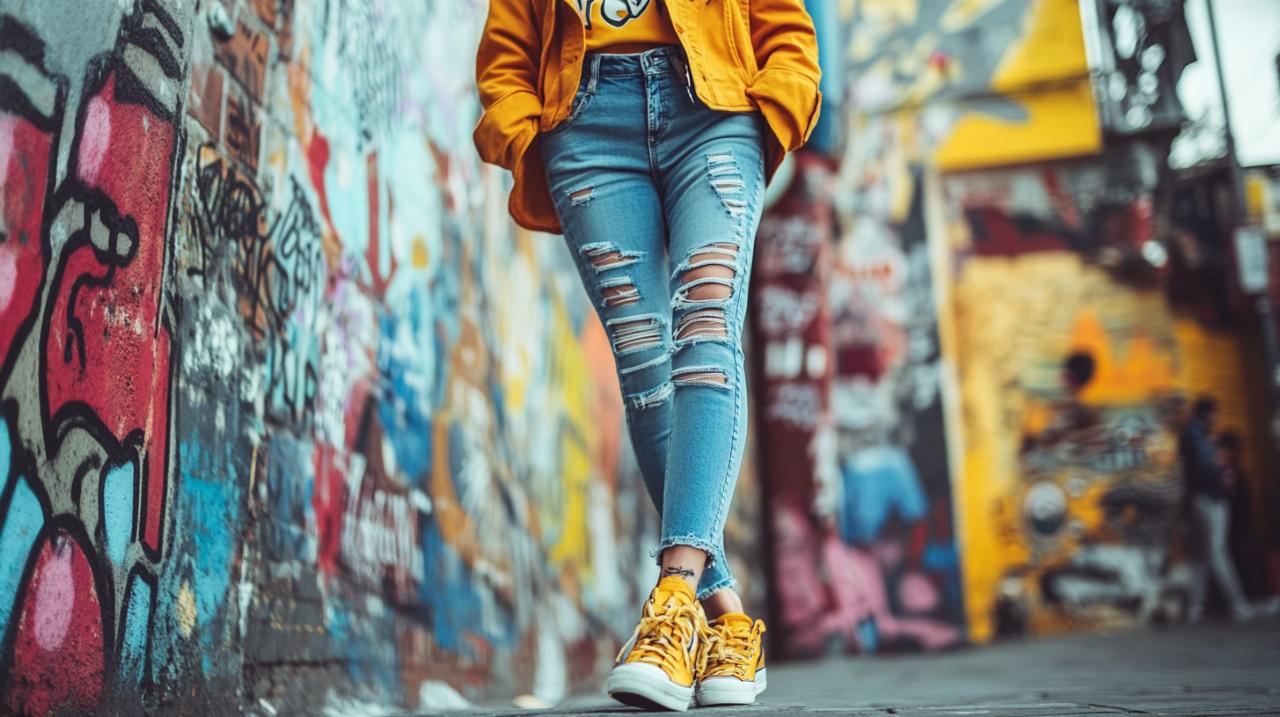
Lay your fabric out on a flat, clean surface, ensuring that it is smooth and free from wrinkles. If your fabric has a directional pattern or nap, pay attention to the grain line and ensure all pieces are cut in the same direction. Pin your pattern pieces to the fabric, leaving enough space between each piece for seam allowances. Use tailor's chalk to mark darts, pockets, and any other details indicated on the pattern. When cutting, take your time and follow the lines precisely. Clean, accurate cuts will make the sewing process much smoother and result in a more professional finish. After cutting, it is wise to transfer all pattern markings onto the fabric before removing the pattern pieces. This includes notches, dots, and any instructions for assembly. These markings are your roadmap and will guide you through the construction process. If you plan to add customisation such as distressed patches or frayed hems, now is a good time to prepare those elements. For instance, using sandpaper to gently fray the edges can create a worn, fashionable look that echoes the distressed jeans seen on runways and high street alike.
Sewing techniques for professional-looking results
With your fabric pieces cut and marked, you are ready to begin sewing. Start by stitching the darts and any pockets, as these details are easier to complete before the main seams are sewn. Press each seam as you go; this simple step makes a significant difference in the final appearance of your trousers. When you are ready to join the main pieces, begin with the inseam, stitching the front and back leg pieces together. Next, sew the outer leg seams, ensuring that the seams align at the knee and ankle. Pin generously to prevent shifting, and backstitch at the start and end of each seam to secure your stitches. Once the legs are assembled, join them at the crotch seam, taking care to match the inseams precisely. This is often the trickiest part of trouser construction, but patience and careful pinning will yield excellent results. After the main body of the trousers is complete, attach the waistband, ensuring it sits evenly and comfortably. If you are adding a zip or button closure, follow your pattern's instructions closely, as these elements require precision. Finally, hem the legs to your desired length. For a modern, trendy finish, consider leaving the hems slightly raw or frayed, a detail that is both fashionable and forgiving for beginner sewers. This technique has been popularised by designers such as Marques'Almeida and is a simple way to add a contemporary edge to your handmade trousers. Once complete, give your trousers a final press and try them on. You may find minor adjustments are needed, and this is entirely normal. The beauty of DIY fashion is that you can tweak and tailor until the fit is just right.
Creating your own skinny trousers is more than a practical project; it is an opportunity to express your personal style and develop a deeper appreciation for the craft of garment making. Whether you are refreshing an old wardrobe staple or embarking on your first sewing project, the skills you gain will serve you well in future endeavours. The fashion world is filled with inspiration, from the customisation services offered by Levi's and Donna Ida to the high-end embroidered denim of Ashish. Each of these examples demonstrates that denim and slim-fit trousers can be as unique and individual as the people who wear them. By taking the time to craft your own pair, you join a tradition of makers and creators who value quality, fit, and the joy of wearing something truly one-of-a-kind. So gather your materials, take your measurements, and embrace the challenge. Your perfect pair of skinny trousers awaits.