
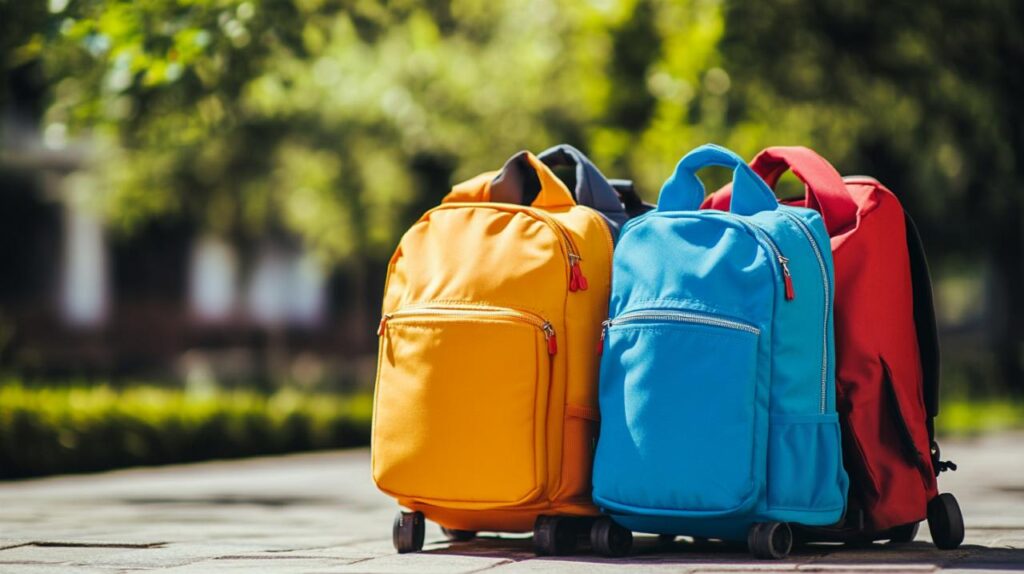
Selecting the right wheeled school backpack can transform your child’s daily routine, turning the trudge to school into a smoother, more comfortable journey. With so many options available, from vibrant designs to robust construction, it’s essential to consider several factors to ensure you find a bag that balances practicality, durability, and style. The compraviva blog highlights how important it is to weigh up features that genuinely matter, helping you navigate the sea of choices with confidence and clarity.
Size, capacity, and weight considerations
Finding the Right Capacity for Your Child’s School Essentials
When choosing a wheeled backpack, understanding the capacity your child needs is crucial. A backpack that holds around fifteen litres is generally suitable for younger children who carry lunchboxes, books, and a few personal items. As children grow older and their school demands increase, opting for a larger capacity becomes necessary. Teenagers, for instance, often require space for laptops, additional textbooks, and sports gear, making models with capacities exceeding thirty litres more appropriate. Ensuring the bag accommodates all essentials without forcing your child to cram items in awkwardly will help maintain organisation and prevent unnecessary wear on the backpack itself.
Why starting weight matters before you load it up
An often overlooked aspect is the weight of the empty backpack. Health experts, including guidance from the American Academy of Pediatrics, recommend that a packed bag should not exceed ten per cent of a child’s body weight to avoid strain and discomfort. This means that if the backpack itself is heavy before any books or supplies are added, it quickly becomes an unsuitable choice. Checking the weight of the bag before purchase ensures that your child can comfortably manage their load without compromising their posture or well-being. Lightweight materials such as polyester offer durability without adding unnecessary bulk, striking a balance between strength and ease of use.
Quality construction and durability
Materials and Stitching That Stand the Test of Time
Investing in a backpack made from quality materials pays dividends over the school year and beyond. Polyester construction is favoured for its resilience and ease of cleaning, making it ideal for the rough and tumble of daily school life. Water-resistant fabrics add another layer of protection, safeguarding books and electronics from unexpected downpours. Brands such as Samsonite and American Tourister are renowned for their robust materials, ensuring that the bag withstands heavy loads, frequent use, and the inevitable bumps along the way. Examining the stitching is equally important; reinforced seams and double stitching around stress points such as handles and straps indicate a well-made product designed to endure.
What to Look for in a Well-Made School Bag
Beyond materials, the overall design and construction details reveal much about a backpack’s longevity. Look for zippers that glide smoothly and lock securely, as faulty zippers are a common point of failure. Child-friendly zippers with larger pulls make it easier for younger children to open and close compartments independently. Reflective details enhance safety, especially during darker mornings or afternoons, ensuring your child is visible to motorists and other pedestrians. Lifetime warranties offered by some manufacturers, such as JanSport, provide additional peace of mind, demonstrating the brand’s confidence in their product’s durability and offering recourse should any issues arise.
Handle and wheel performance
Telescopic handles: adjustability and locking mechanisms
The telescopic handle is a defining feature of any wheeled backpack, and its quality directly impacts ease of use. A handle that extends smoothly and locks firmly at various heights allows the bag to grow with your child, accommodating their changing stature over the years. Look for mechanisms that are simple to operate, even with small hands, and that hold the handle securely in place to prevent it from collapsing unexpectedly. Handles constructed from lightweight yet sturdy materials, such as aluminium, offer the best combination of strength and portability. Testing the handle in-store, if possible, ensures it functions reliably and feels comfortable during use.
Choosing wheels that glide over any surface
Wheels are the workhorses of a wheeled backpack, and their design determines how effortlessly the bag rolls across different terrains. Larger wheels typically handle uneven surfaces such as pavements and grassy areas more effectively, while spinner wheels offer greater manoeuvrability, allowing the bag to pivot smoothly in tight spaces like school corridors. Materials matter here too; durable rubber or polyurethane wheels resist wear and tear better than cheaper plastic alternatives. Some models feature light-up wheels, which add a fun element for younger children while improving visibility. Ensuring the wheels are securely attached and rotate freely without wobbling will prevent frustration and extend the life of the backpack.
Comfort features for dual-purpose use
Padded Straps and Back Panels for Carrying Comfort
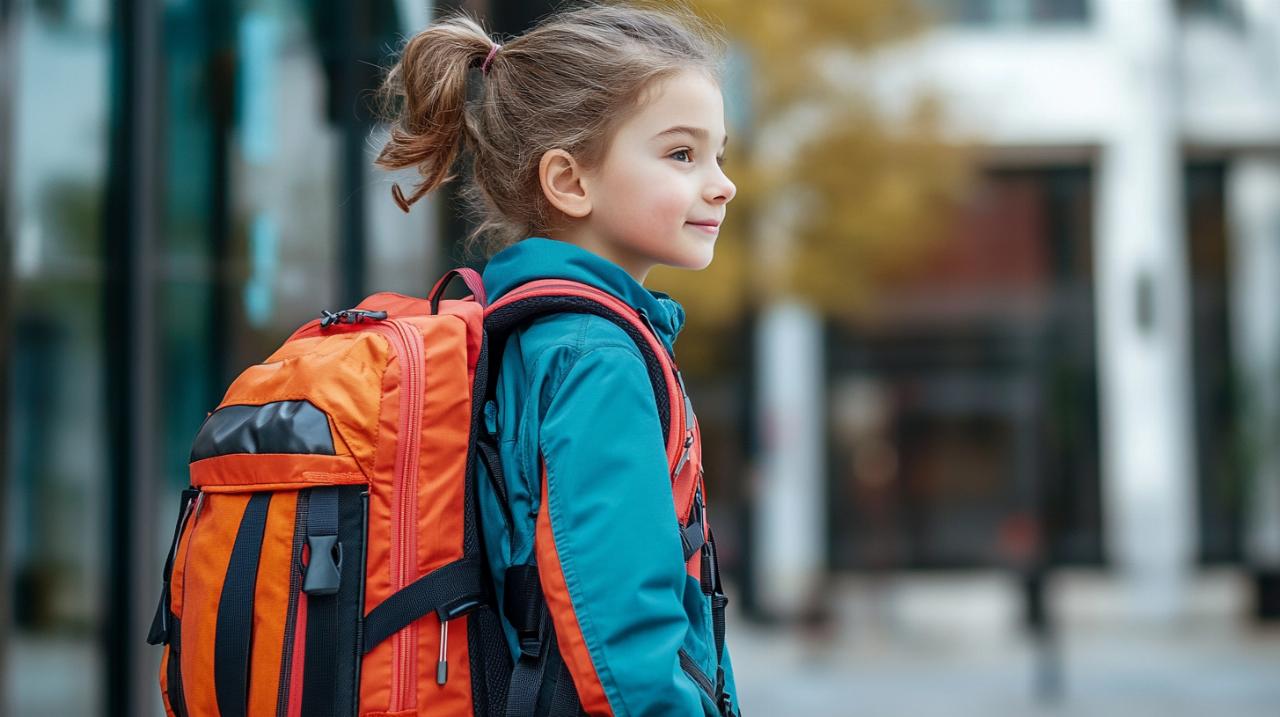
Even though wheeled backpacks are designed to be rolled, there will be occasions when your child needs to carry the bag on their back, such as navigating stairs or crowded areas. Padded shoulder straps and a cushioned back panel are essential for these moments, distributing weight evenly and reducing pressure on the shoulders and spine. Breathable mesh fabrics in the back panel prevent overheating and discomfort, particularly during warmer months. Sternum straps provide additional support, securing the bag in place and preventing it from shifting as your child moves. These features ensure that the backpack remains versatile and comfortable, regardless of how it is being transported.
When your child needs to carry rather than roll
Understanding the scenarios in which your child will carry rather than roll their backpack helps you prioritise the right features. Schools with multiple floors, uneven pathways, or restrictions on wheeled bags in certain areas may require frequent carrying. In such cases, ergonomic design becomes paramount. Adjustable straps that fit snugly without cutting into the shoulders, combined with a lightweight construction, make carrying less burdensome. Models like the American Tourister Upbeat offer a balance between rollability and wearability, ensuring your child can adapt to different environments without discomfort or strain.
Practical features and safety additions
Compartments, bottle holders, and organisation
Organisational features transform a backpack from a simple bag into a practical tool that keeps school supplies tidy and accessible. Multiple compartments allow for easy separation of books, stationery, and personal items, reducing the time spent rummaging for essentials. A dedicated laptop compartment with padding protects electronics, while smaller pockets keep pens, keys, and other small items from getting lost. A drinks bottle holder positioned on the outside ensures hydration is always within reach without sacrificing interior space. These thoughtful touches not only enhance functionality but also teach children the value of organisation and responsibility.
Reflective Elements for Visibility and Safety
Safety is paramount, particularly for younger children who may walk to school or wait at bus stops during low-light conditions. Reflective details strategically placed on the backpack increase visibility to drivers, cyclists, and other pedestrians, reducing the risk of accidents. Bright, vibrant colours further enhance visibility, making your child easier to spot in crowded areas. Some backpacks incorporate reflective strips along the straps, sides, and front panel, ensuring all-round visibility from multiple angles. Choosing a bag with these safety features provides peace of mind while encouraging independence and confidence in young learners.
Reviews, Preferences, and Making the Final Choice
What other parents say: real-world experiences
Reading reviews from other parents offers invaluable insights into how a backpack performs in everyday situations. Real-world experiences highlight aspects that may not be immediately apparent from product descriptions, such as how well the bag withstands rough handling, whether the wheels hold up over time, and if the zippers remain functional after months of use. Brands like JanSport Driver 8 and High Sierra Freewheel consistently receive praise for their durability and lifetime warranties, while budget options such as the Rockland Roadster may be flagged for quality concerns. Taking the time to research and compare reviews helps you avoid costly mistakes and ensures you select a backpack that truly meets your family’s needs.
Getting your child excited about their new bag
Involving your child in the selection process can make all the difference in how enthusiastically they embrace their new backpack. Allowing them to choose a design or colour they love, whether it’s a vibrant Mickey Mouse theme from Samsonite or a surfing-inspired look from Rip Curl, fosters a sense of ownership and pride. When children feel excited about their bag, they are more likely to take care of it and use it properly. Balancing their preferences with practical considerations ensures that the backpack is not only functional but also a source of joy and self-expression, setting a positive tone for the school year ahead.